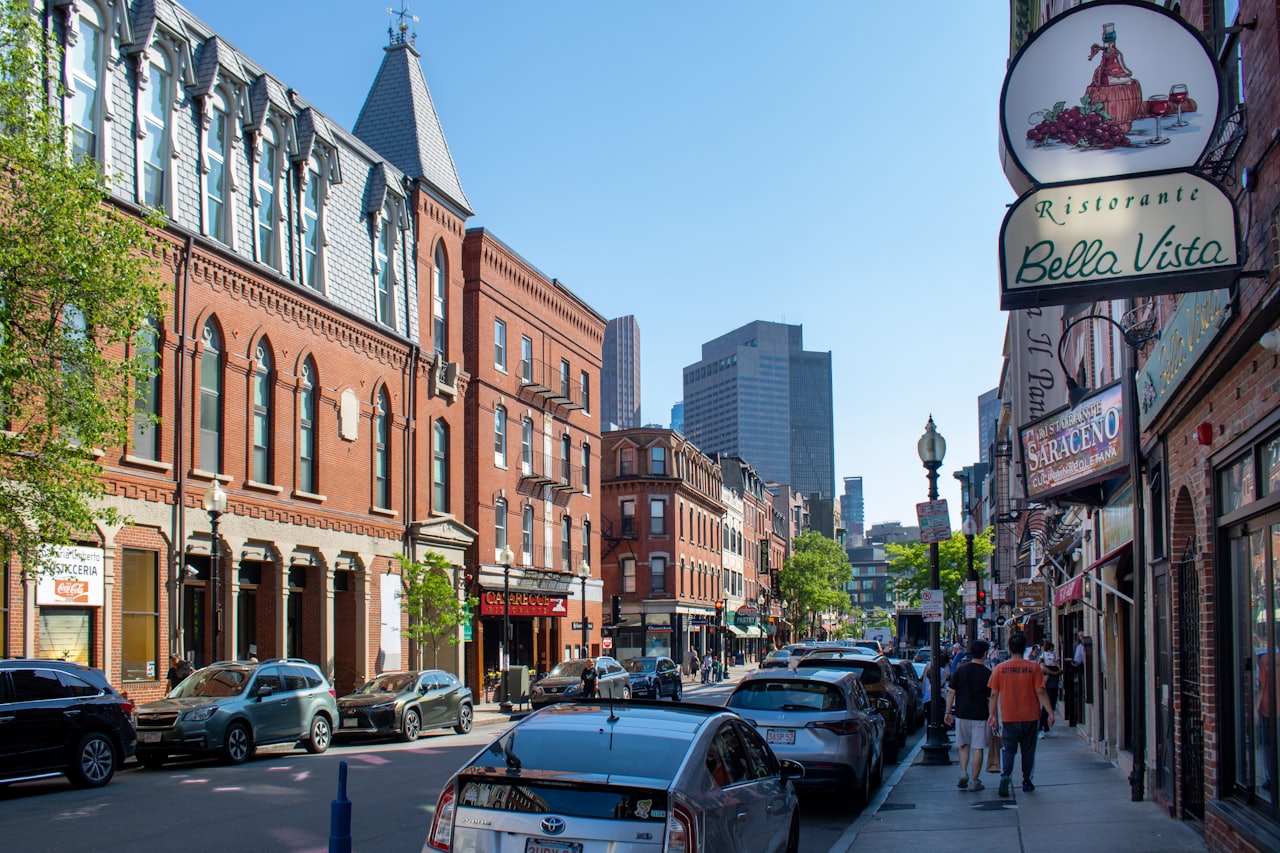
Boston City Classic · 2 Days
The essential two-day Boston for first-time adult and family groups.
- Duration
- 2 days / 1 night
- Best season
- Apr–Nov
- Group size
- 10–45 guests
- Route
- Boston → Boston
Overview
Two days that read Boston as a city where old and new sit face to face. Day one walks the Freedom Trail from Boston Common to Charlestown; day two crosses to the great campuses and the city’s art and riverside. The difference is in the telling — a single thread from subjects to citizens, and museum stories any guest can follow.
Service note: This is a private, fully customisable ground programme. All transport is performed by licensed, insured third-party carriers, with chauffeured vehicles scaled to your group. We provide non-ticketed ground services only.
Highlights
- The Freedom Trail told as one story — from the King’s subjects to citizens
- Faneuil Hall and Quincy Market, the Cradle of Liberty beside a great food arcade
- The empty frames of the Gardner Museum — a museum legend anyone can follow
- Reading the city where old meets new: the Old State House against the towers, Trinity Church against the glass
- Harvard and MIT, then sunset along the Charles River
- A licensed, chauffeured vehicle and a bilingual tour leader throughout
Day-by-day
- Day 1
The Freedom Trail and the Old City
A walking day through revolutionary Boston — Boston Common, the State House and Beacon Hill, Faneuil Hall and Quincy Market for lunch, the North End and Old North Church, then USS Constitution and Bunker Hill in Charlestown.
- Boston Common and the Massachusetts State House
- Beacon Hill and Acorn Street
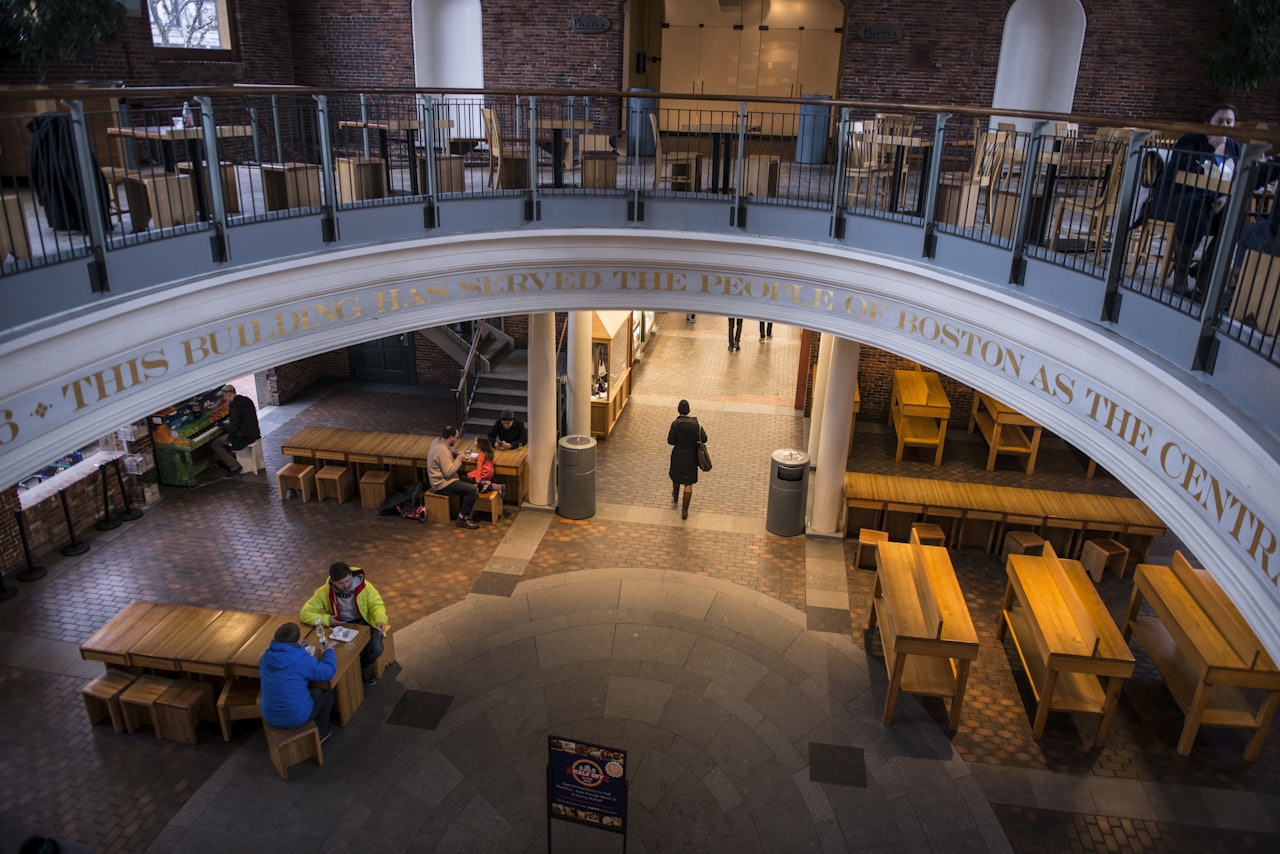
- Faneuil Hall and Quincy Market (lunch)
- The North End and the Old North Church
- USS Constitution and Bunker Hill in Charlestown
Transport: Mainly walking, with vehicle transfers (limited access in the old city)Meals: Breakfast at the hotel · lunch at Quincy Market · optional Italian dinner in the North End 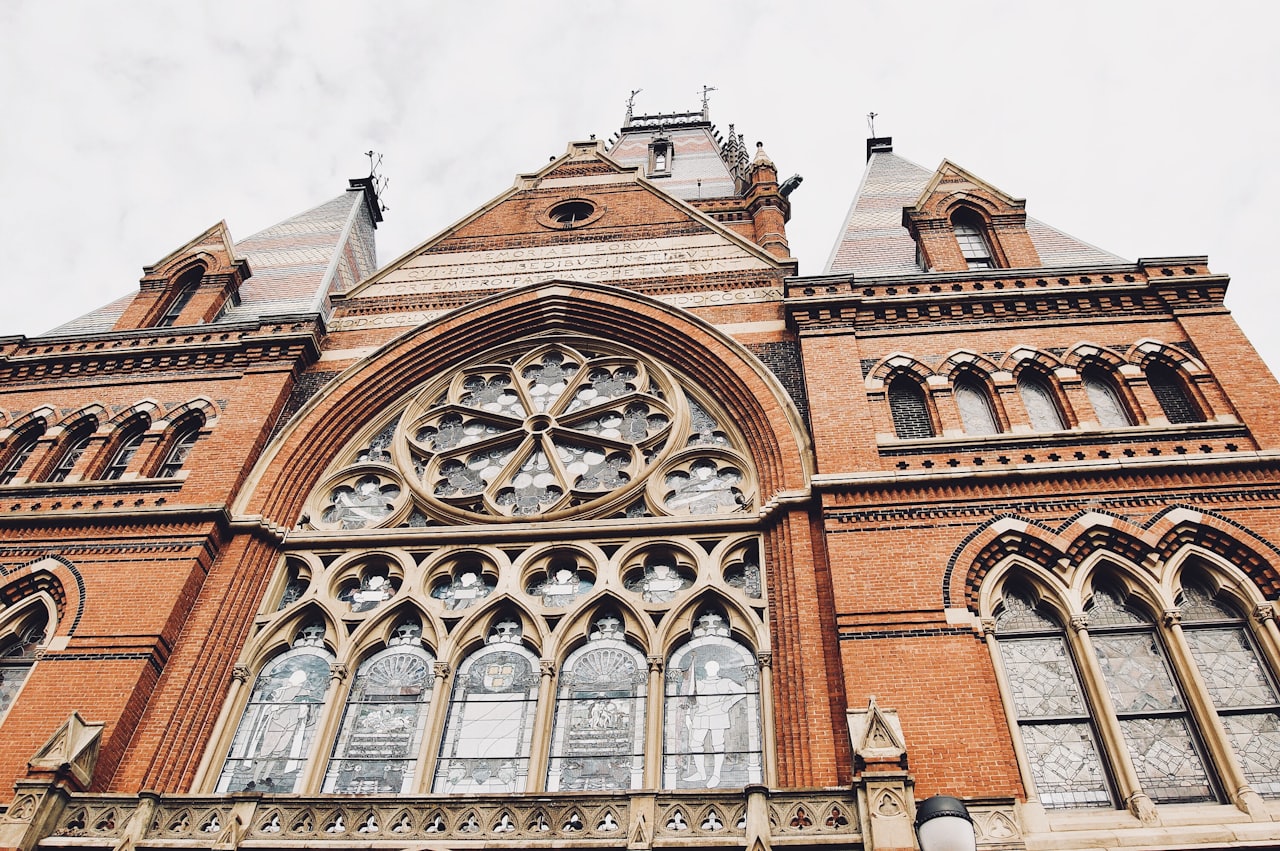 Day 2
Day 2Campuses, Art and the River
Harvard Yard, Harvard Square and MIT in the morning; a choice of the MFA or the Gardner Museum after lunch; then Newbury Street and sunset on the Charles River Esplanade.
- Harvard Yard and Harvard Square
- MIT’s main campus
- Lunch, then the MFA or the Gardner Museum
- Newbury Street
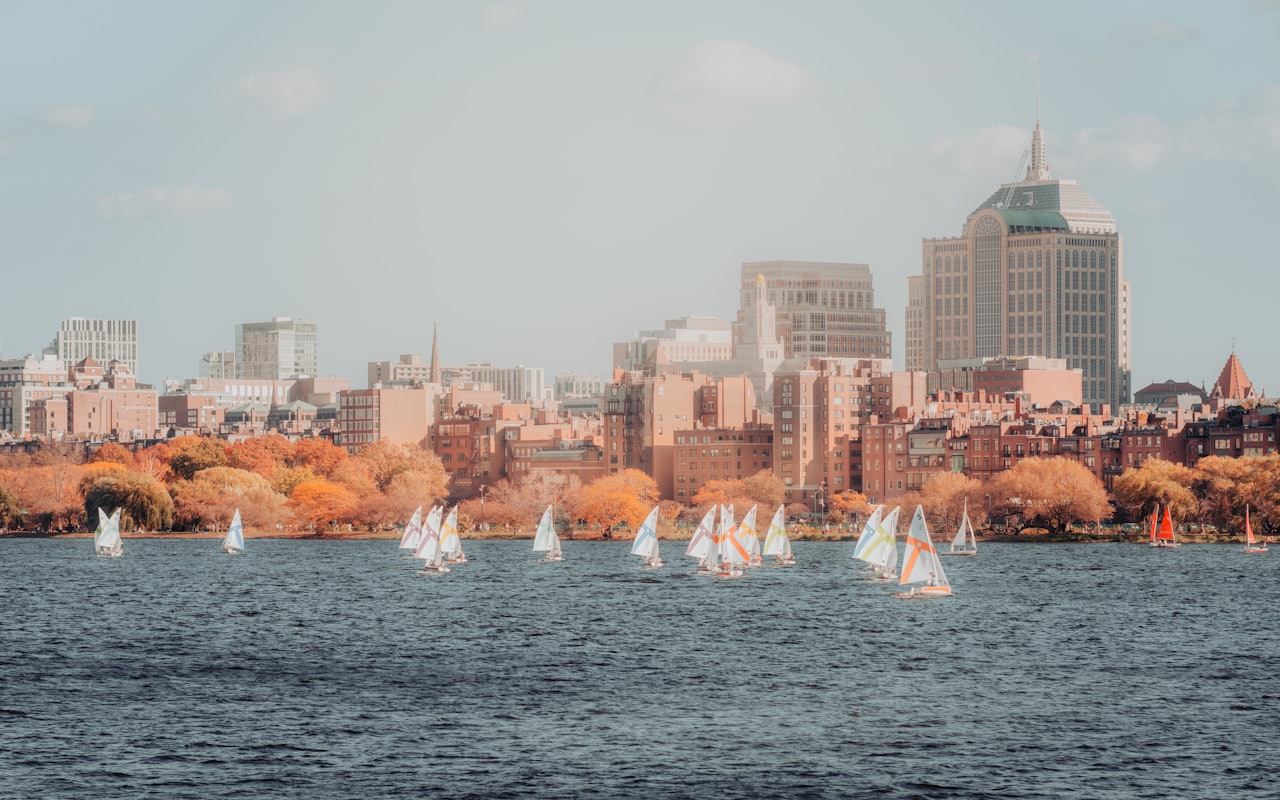
- Sunset along the Charles River Esplanade
Transport: Private chauffeured vehicle throughoutMeals: Breakfast at the hotel · lunch on own · dinner on own
Included
- Private chauffeured vehicle throughout
- Bilingual tour leader
- Visits to the listed publicly open areas
Not included
- Admission tickets
- Some meals
- Gratuities and personal expenses
Gallery
Places on this journey
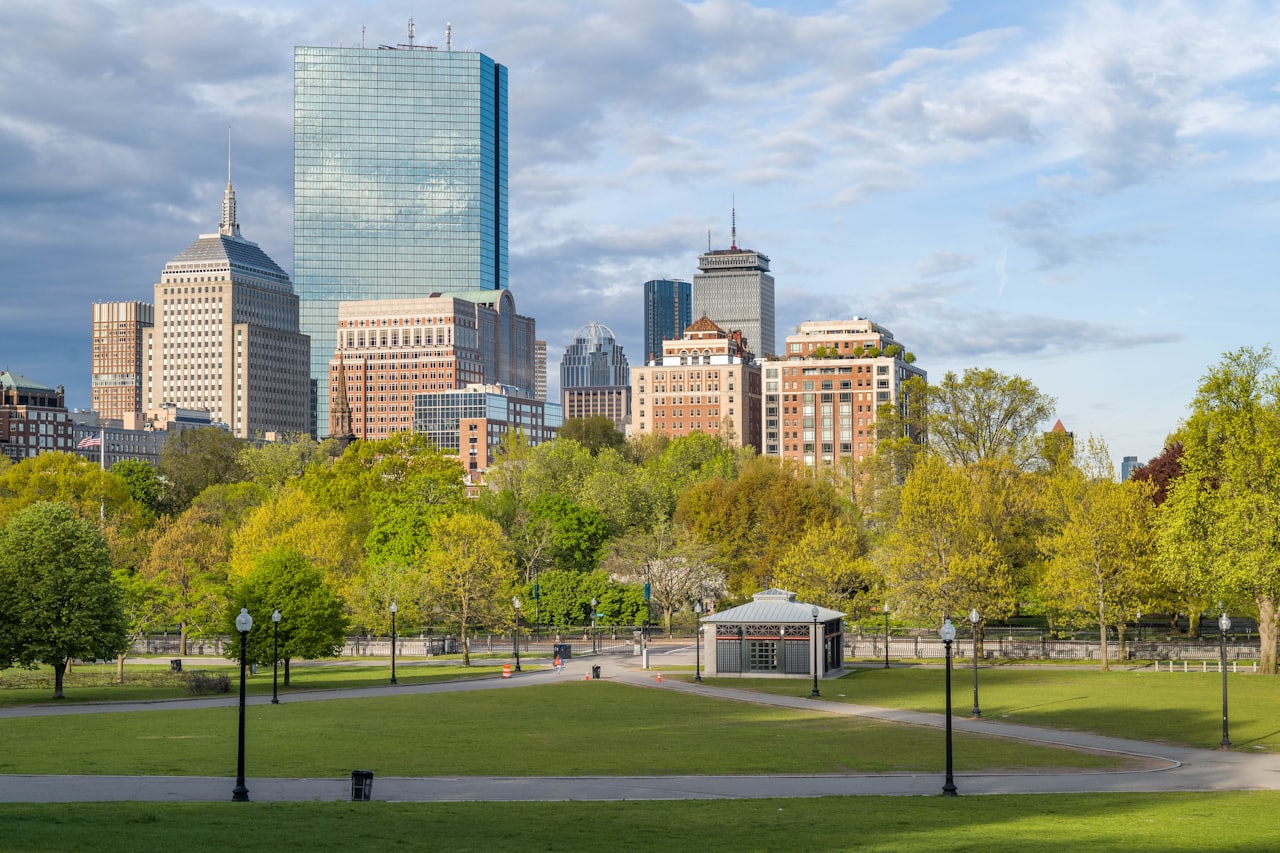
Boston Common
Year-round
Dating to 1634, it is considered the oldest city park in America. It began as a common pasture and militia training ground, and later became a place for gatherings and speeches.
Guide’s notes
“Common” originally meant common land — pasture shared by all the townspeople. The word is a living fossil of New England self-government: a piece of land belonging to “all of us”, whose use is decided in meeting. It is the best way into the New England town-meeting tradition.
Photo spot: The State House’s golden dome seen from the park; the Frog Pond skating rink in winter.
Massachusetts State House
Year-round
Designed by Charles Bulfinch and opened in 1798. Its landmark dome was first shingled in wood, then sheathed in copper (worked by Paul Revere’s foundry), and finally covered in gold leaf.
Guide’s notes
The dome’s three makeovers are a miniature of American history: wood, then copper, then gold — from colonial craft to industrial capacity to a symbol of wealth; painted black during the Second World War against air raids, it draws that era in too. Here Paul Revere shifts from “midnight rider” to industrialist, echoing his house in the North End.
Photo spot: Looking up at the dome from the front steps; a distant view from Boston Common.
Beacon Hill & Acorn Street
Year-round · most photogenic during the Christmas decorations
Gas lamps, cobblestone paving and Federal-style red-brick row houses. Acorn Street is called one of the most photographed streets in America — Boston’s most picture-postcard lane.
Guide’s notes
What’s worth telling here is why it has stayed unchanged — historic-district rules so strict they govern even window-frame colours and house numbers. There’s also the origin of the purple windowpanes: a nineteenth-century batch of imported glass, high in manganese, turned violet in the sun; once a flaw, it is now a mark of status.
Photo spot: The length of Acorn Street (best light and fewest people early morning); Louisburg Square; a gas-lamp close-up.
Faneuil Hall & Quincy Market
Year-round
Faneuil Hall, called the “Cradle of Liberty”, was a hall for gatherings and speeches before the Revolution; next door, the central colonnade of Quincy Market is packed with food stalls from around the world — a natural place for guests to eat at their own pace.
Guide’s notes
The contrast is the point: on one side a political hall where independence was argued, on the other the most down-to-earth of food arcades — two faces of American public life. On the food front, the lobster roll, clam chowder and Boston cream pie are the local trio worth mentioning.
Photo spot: The dome of the market rotunda; the front of Faneuil Hall with its grasshopper weathervane; the outdoor performance area.
North End (Little Italy)
Year-round · liveliest during summer street festivals
Boston’s oldest residential quarter, and from the late nineteenth century the heart of Italian immigrant life. Hanover Street is lined with Italian restaurants and pastry shops, the cannoli its signature sweet.
Guide’s notes
Immigration is the way in: the same few streets housed English Puritans, then Irish, then Jewish, then Italian residents in turn — the houses unchanged, the people replaced four times over. It goes far deeper than simply stopping for a pastry.
Photo spot: Hanover Street; the spire of the Old North Church seen from a side lane; pastry-shop windows.
Old North Church
Year-round
Boston’s oldest surviving church building (1723). The signal-lantern story — “one if by land, two if by sea” — took place in its steeple.
Guide’s notes
The lanterns are not about romance but about how the speed of information can decide a war — in an age before the telegraph, two lamps sent a single binary signal across the river, the earliest of communication protocols. Guests with a technical bent respond especially well to this angle.
Photo spot: The white steeple (wide angle from across the street); the receding box pews inside.
USS Constitution
Apr–Oct
The oldest commissioned warship still afloat, launched in 1797. Its nickname, Old Ironsides, came from the War of 1812, when British cannonballs bounced off its oak hull.
Guide’s notes
The “ironsides” are in fact wood — the nickname comes from the unusually hard live oak of the hull, which makes the perfect opening line. It is still staffed by serving naval personnel, a living artefact quite unlike any warship on static display.
Photo spot: The ship from the dockside pier; looking up the masts; the gun positions on deck.
Bunker Hill Monument
Apr–Nov
A granite obelisk commemorating the 1775 Battle of Bunker Hill. It marks the end of the Freedom Trail.
Guide’s notes
The British took the ground but at heavy cost, and the colonial militia, though beaten, had proved it could stand up to a professional army — a lost battle that changed how both sides thought. In military history, these cases of tactical defeat and strategic success are the most rewarding to tell.
Photo spot: Looking up the full height from the base; the view from the top (if you climb).
Harvard Yard, Harvard University
Year-round · best foliage Sep–Oct
The historic core of America’s oldest university. Its quadrangle, enclosed by red-brick Colonial Revival buildings, became the prototype for the American college campus.
Guide’s notes
Three details around the John Harvard statue are often misreported: it is known as the “statue of three lies” — the figure is not a true likeness (no portrait survives, so a student modelled for it), John Harvard was not the founder but its first major benefactor (he gave his library and half his estate), and the 1638 on the base is not the founding year (the college dates to 1636). The idea that rubbing the statue’s toe secures admission is a tourist-era invention, not a campus tradition. The more moving story is the Widener Library, named for Titanic victim Harry Elkins Widener and endowed by his mother.
Photo spot: Looking back from just inside Johnston Gate; the front steps of Widener Library (wide angle); the white spire of Memorial Church set against the red brick.
More in this region
Boston Elite Campus Day
A full day built around Cambridge’s two most famous institutions and the ideas behind them. From Harvard Yard to MIT and closing at the Boston Public Library, the day turns campus sightseeing into an understanding of what these schools stand for. Throughout, the focus is on education itself — with no admissions advice of any kind.
View journey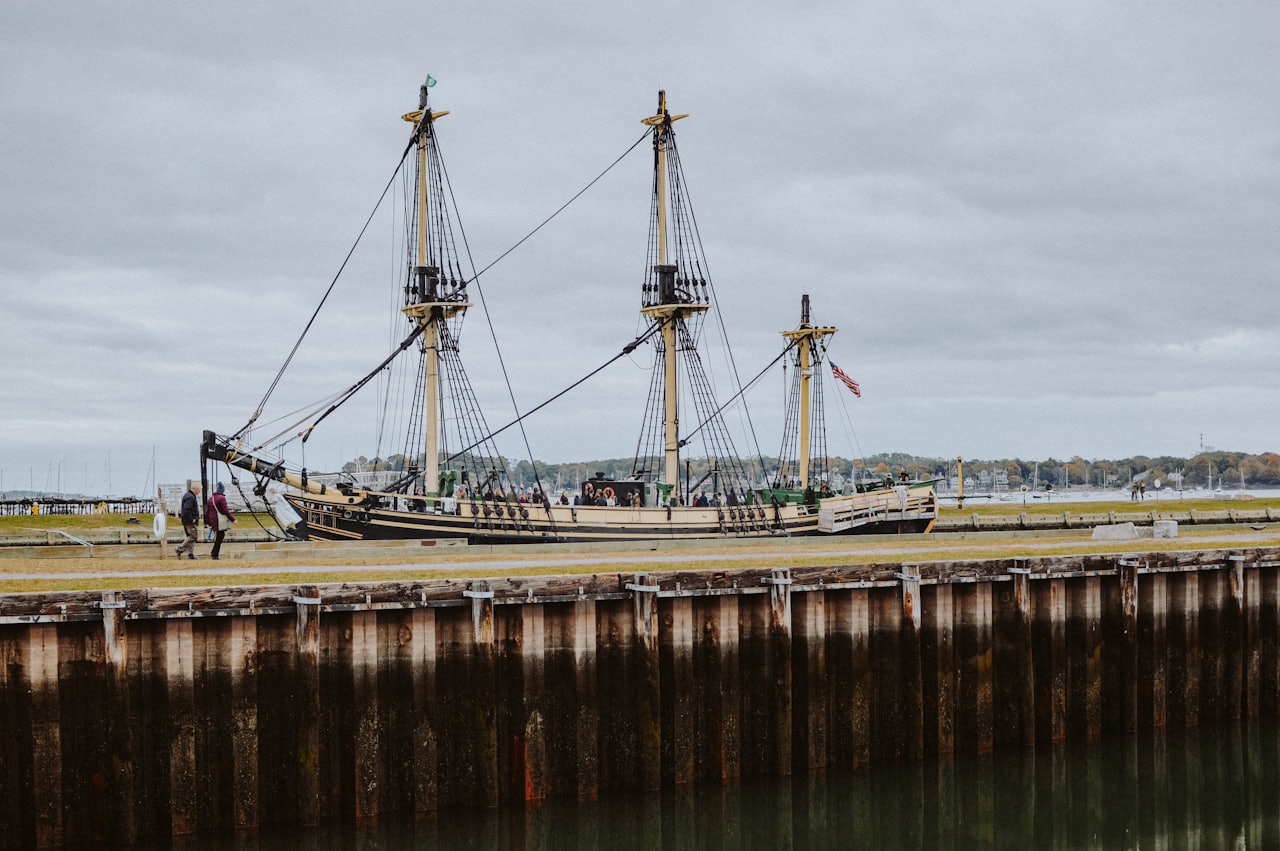
New England Heritage · 3 Days
Three days tracing New England’s colonial and founding history. From Boston’s old city to the fields of Lexington and Concord and the living history of Plymouth, the route follows a chain of cause and effect toward independence. Its real distinction is the interpretation — including a discipline of respect at Plimoth Patuxet that sets it apart.
View journey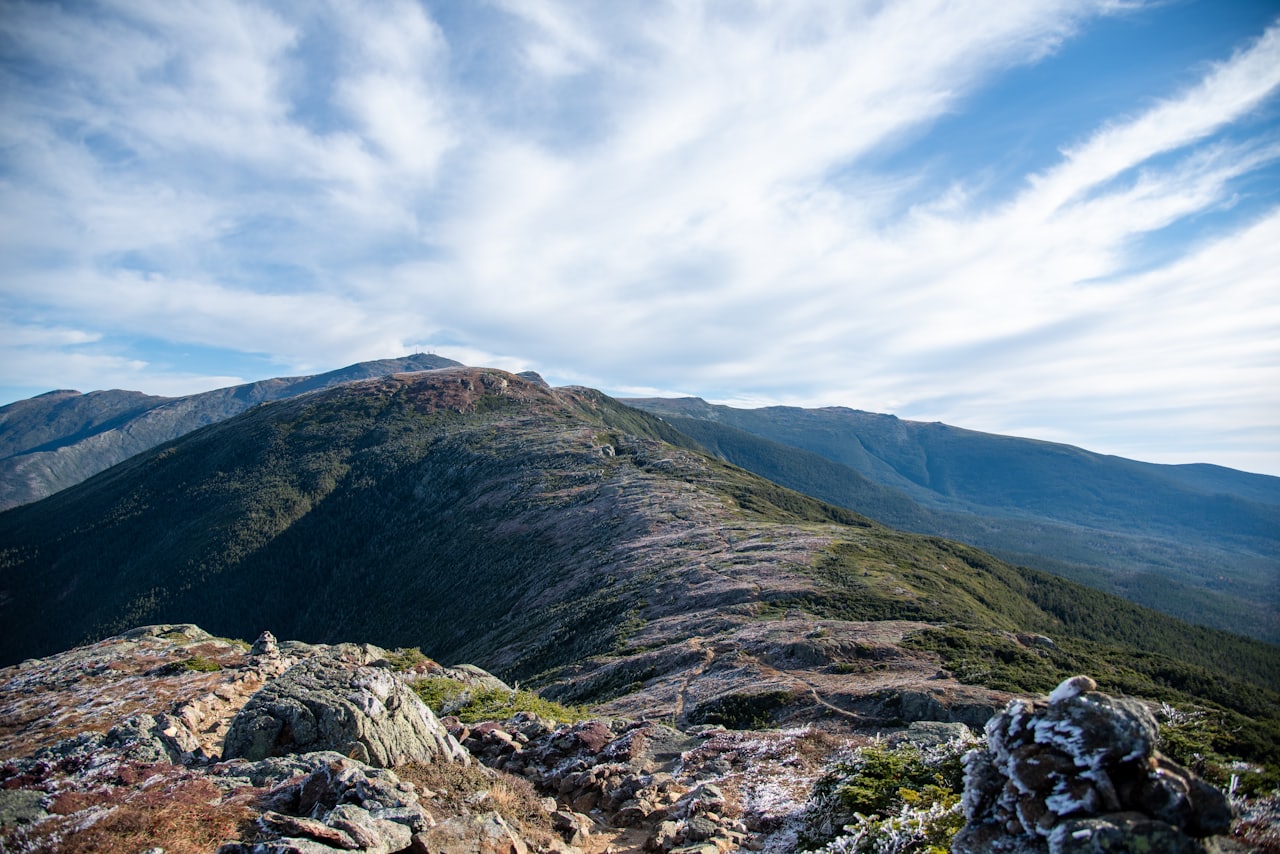
New England Fall Foliage · White Mountains · 4 Days
Four days chasing peak autumn colour through New Hampshire and Vermont. The White Mountains, the Mount Washington Cog Railway and the Kancamagus Highway lead to Vermont’s classic small towns and maple farms. Along the way, the science of the changing leaves turns a scenic drive into something you understand.
View journey