New England Heritage · 3 Days
Colonial history and the founding story, for culture and school groups.
- Duration
- 3 days / 2 nights
- Best season
- Apr–Nov (avoid the October peak in Salem)
- Group size
- 10–40 guests
- Route
- Boston → Boston
Overview
Three days tracing New England’s colonial and founding history. From Boston’s old city to the fields of Lexington and Concord and the living history of Plymouth, the route follows a chain of cause and effect toward independence. Its real distinction is the interpretation — including a discipline of respect at Plimoth Patuxet that sets it apart.
Service note: This is a private, fully customisable ground programme. All transport is performed by licensed, insured third-party carriers, with chauffeured vehicles scaled to your group. We provide non-ticketed ground services only.
Highlights
- A chain of cause and effect: the Tea Party, the shots at Lexington and the founding story
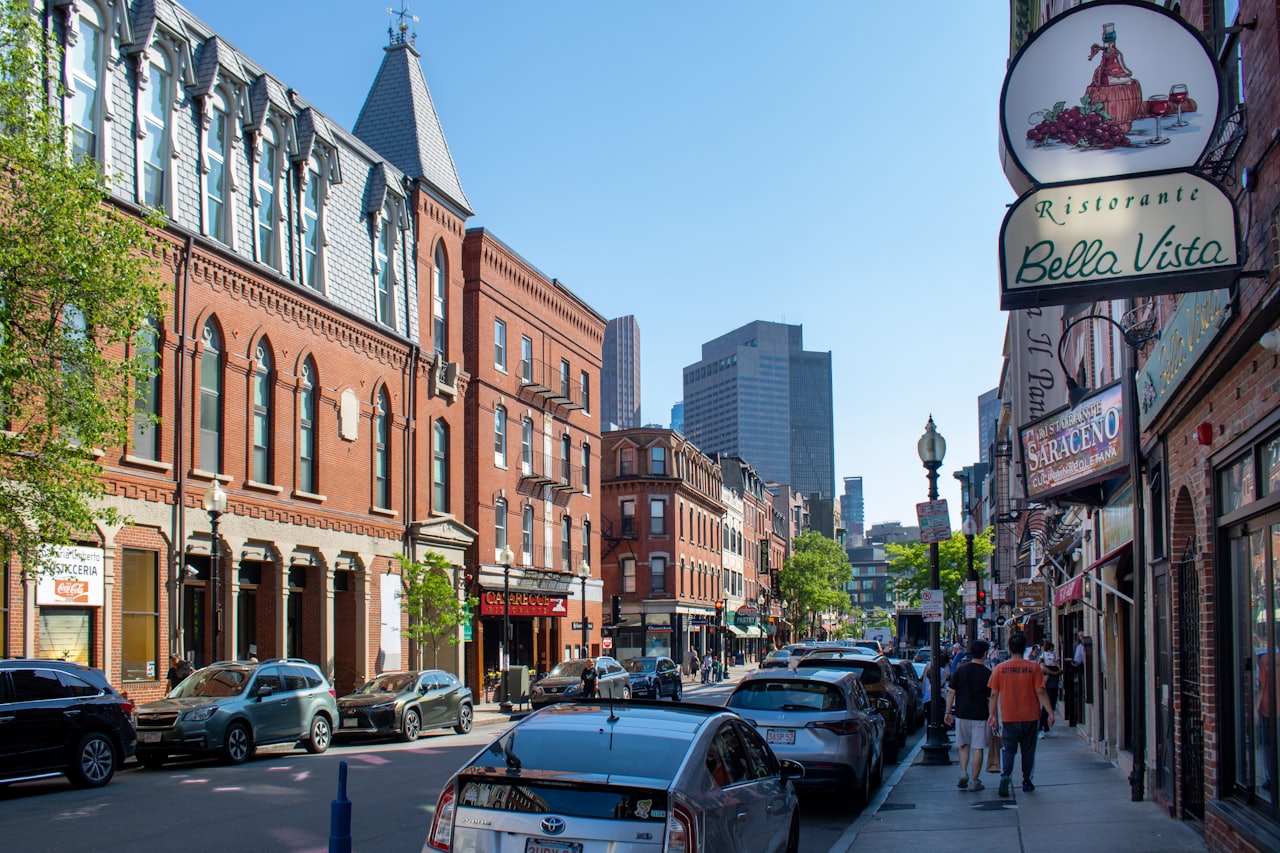
- The Freedom Trail through Boston’s old city, with Faneuil Hall and Quincy Market
- Lexington Green, the Concord North Bridge and Walden Pond
- Plimoth Patuxet, where an English village and a Wampanoag site tell two histories side by side
- A discipline of respectful interpretation — historian and interpreter, regalia not costume, contested history told from more than one side
- Plymouth Rock with expectations set honestly, so “is that all?” becomes real interest
Day-by-day
 Day 1
Day 1Boston’s Old City and the Freedom Trail
The essence of the Freedom Trail through the old city, with Faneuil Hall and Quincy Market, the North End, and the immersive Boston Tea Party Ships & Museum.
- The Freedom Trail through the old city
- Faneuil Hall and Quincy Market (lunch)
- The North End
- The Boston Tea Party Ships & Museum
Transport: Walking with vehicle transfersMeals: Lunch at Quincy Market · dinner in the North End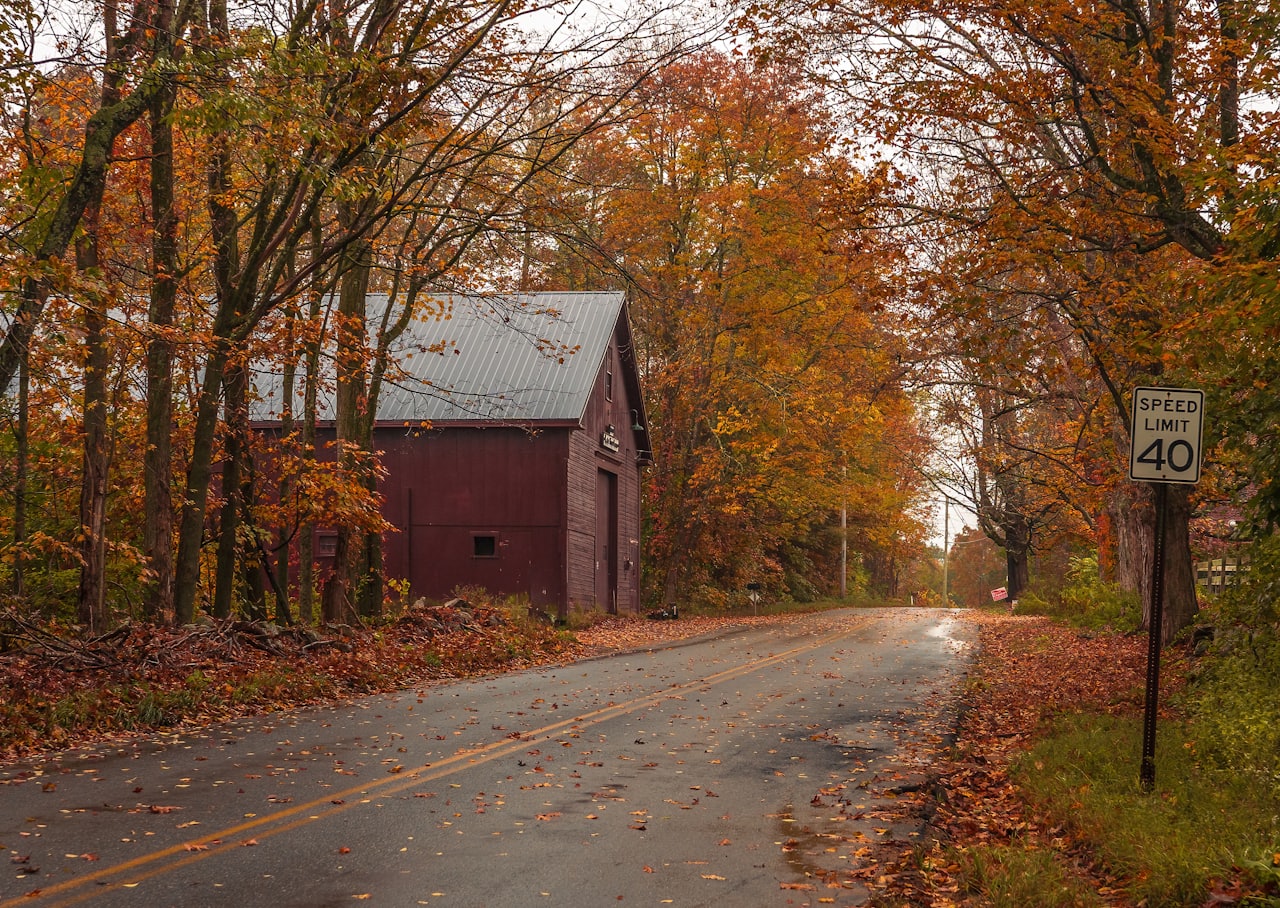 Day 2
Day 2Lexington, Concord and Walden Pond
The morning at Lexington Green and the Concord North Bridge, where the Revolution began, then an afternoon at Walden Pond before returning to Boston.
- Lexington Green
- Minute Man National Historical Park visitor centre
- The Concord North Bridge
- Lunch, then Walden Pond
- Return to Boston
Transport: Private chauffeured vehicle throughoutMeals: Breakfast at the hotel · lunch in Concord · dinner on own- Day 3
Plymouth: Living History
Plymouth Rock and Mayflower II, then a half-day at Plimoth Patuxet, where a seventeenth-century English village and the Wampanoag Homesite tell their histories side by side.
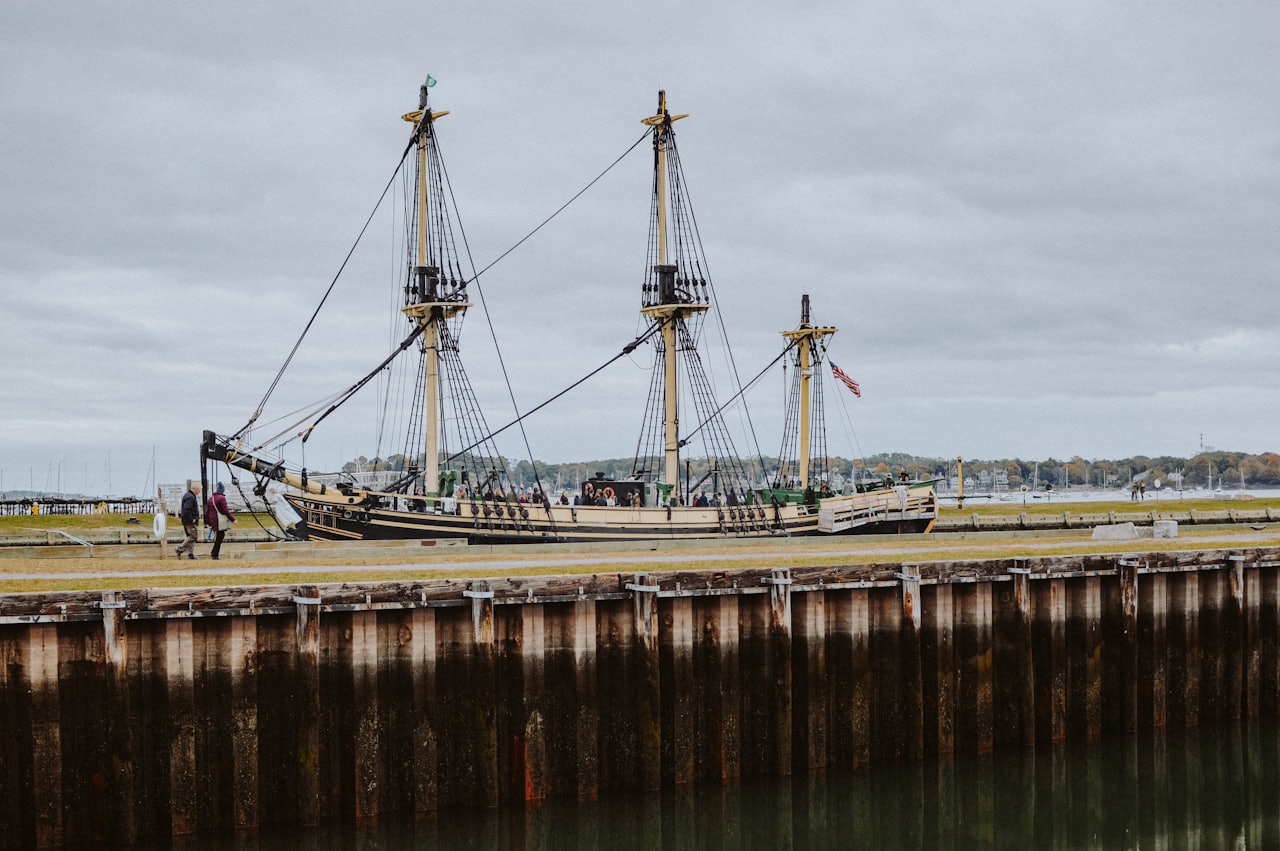
- Plymouth Rock and Mayflower II
- Plimoth Patuxet Museums (half day)
- Return to Boston
Transport: Private chauffeured vehicle throughoutMeals: Breakfast at the hotel · lunch at the museum or in town · dinner on own
Included
- Private chauffeured vehicle throughout
- Bilingual tour leader
- Admission to Plimoth Patuxet (optional add-on: the museum’s own expert guiding)
Not included
- Other admission tickets
- Some meals
- Gratuities
Gallery
Places on this journey
Freedom Trail
Apr–Nov
A red-brick path of about 4 kilometres (2.5 miles) linking 16 sites of the American Revolution, running from Boston Common all the way to Bunker Hill in Charlestown. The continuous brick line set into the pavement is itself one of the most successful pieces of urban wayfinding in the country.
Guide’s notes
Walking the whole trail is long for most guests, so it is usually taken in sections: the downtown stretch (Boston Common → the State House → the Old State House → Faneuil Hall) runs about 60–75 minutes and is the essence of it. One narrative thread carries the walk — how a body of the King’s own subjects moved, step by step, toward breaking with him — from the Stamp Act and the Boston Massacre to the Tea Party and the shots at Lexington, a timeline told through places rather than spread evenly across all 16 stops.
Photo spot: The Old State House framed against modern towers — the classic old-meets-new composition; a close-up of the brick line in the pavement; the golden dome of the State House.
Faneuil Hall & Quincy Market
Year-round
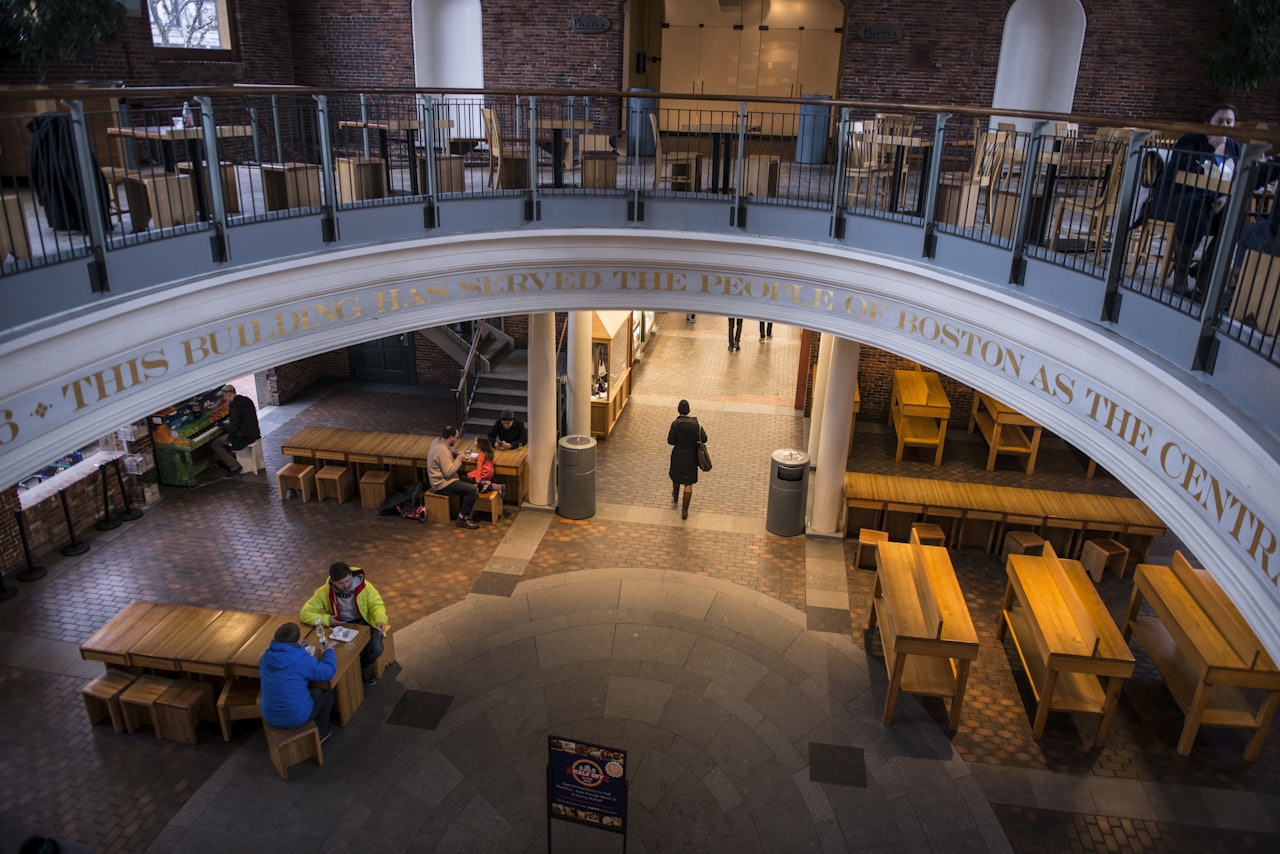
Faneuil Hall, called the “Cradle of Liberty”, was a hall for gatherings and speeches before the Revolution; next door, the central colonnade of Quincy Market is packed with food stalls from around the world — a natural place for guests to eat at their own pace.
Guide’s notes
The contrast is the point: on one side a political hall where independence was argued, on the other the most down-to-earth of food arcades — two faces of American public life. On the food front, the lobster roll, clam chowder and Boston cream pie are the local trio worth mentioning.
Photo spot: The dome of the market rotunda; the front of Faneuil Hall with its grasshopper weathervane; the outdoor performance area.
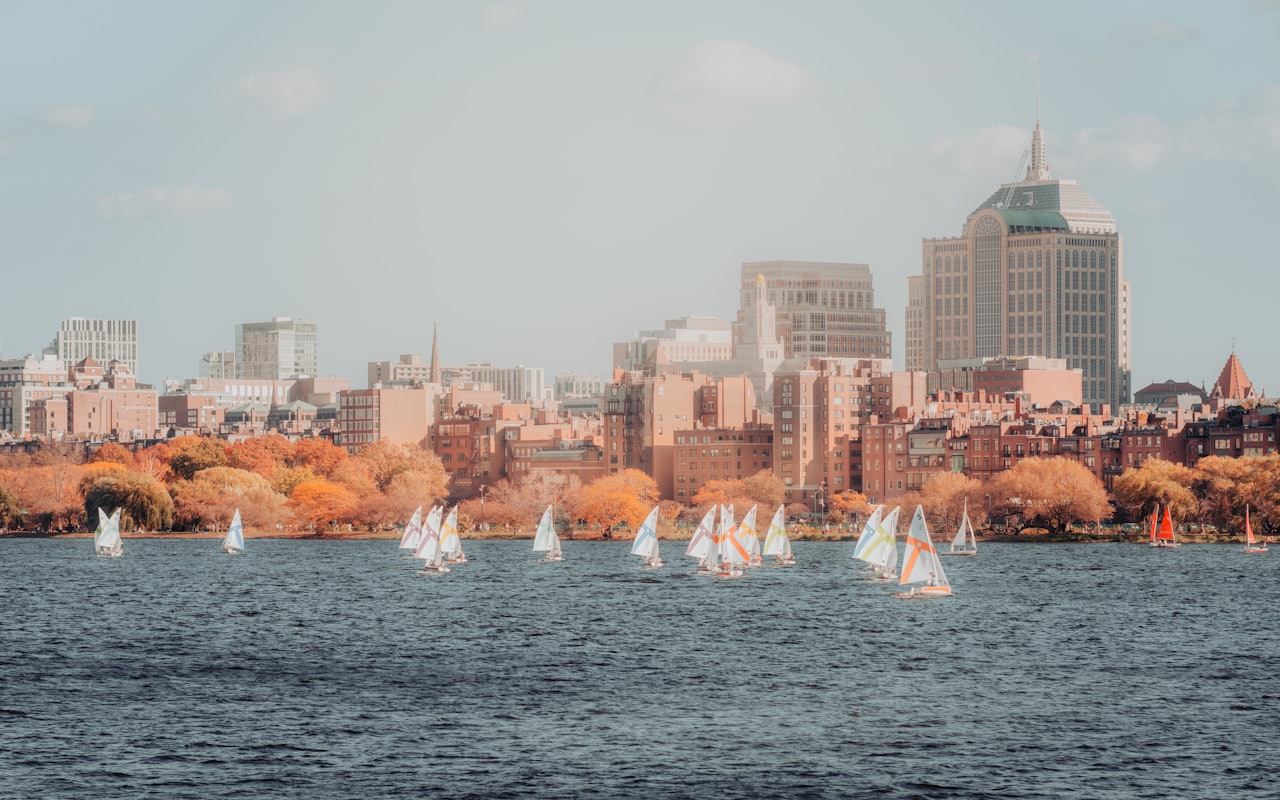
North End (Little Italy)
Year-round · liveliest during summer street festivals
Boston’s oldest residential quarter, and from the late nineteenth century the heart of Italian immigrant life. Hanover Street is lined with Italian restaurants and pastry shops, the cannoli its signature sweet.
Guide’s notes
Immigration is the way in: the same few streets housed English Puritans, then Irish, then Jewish, then Italian residents in turn — the houses unchanged, the people replaced four times over. It goes far deeper than simply stopping for a pastry.
Photo spot: Hanover Street; the spire of the Old North Church seen from a side lane; pastry-shop windows.
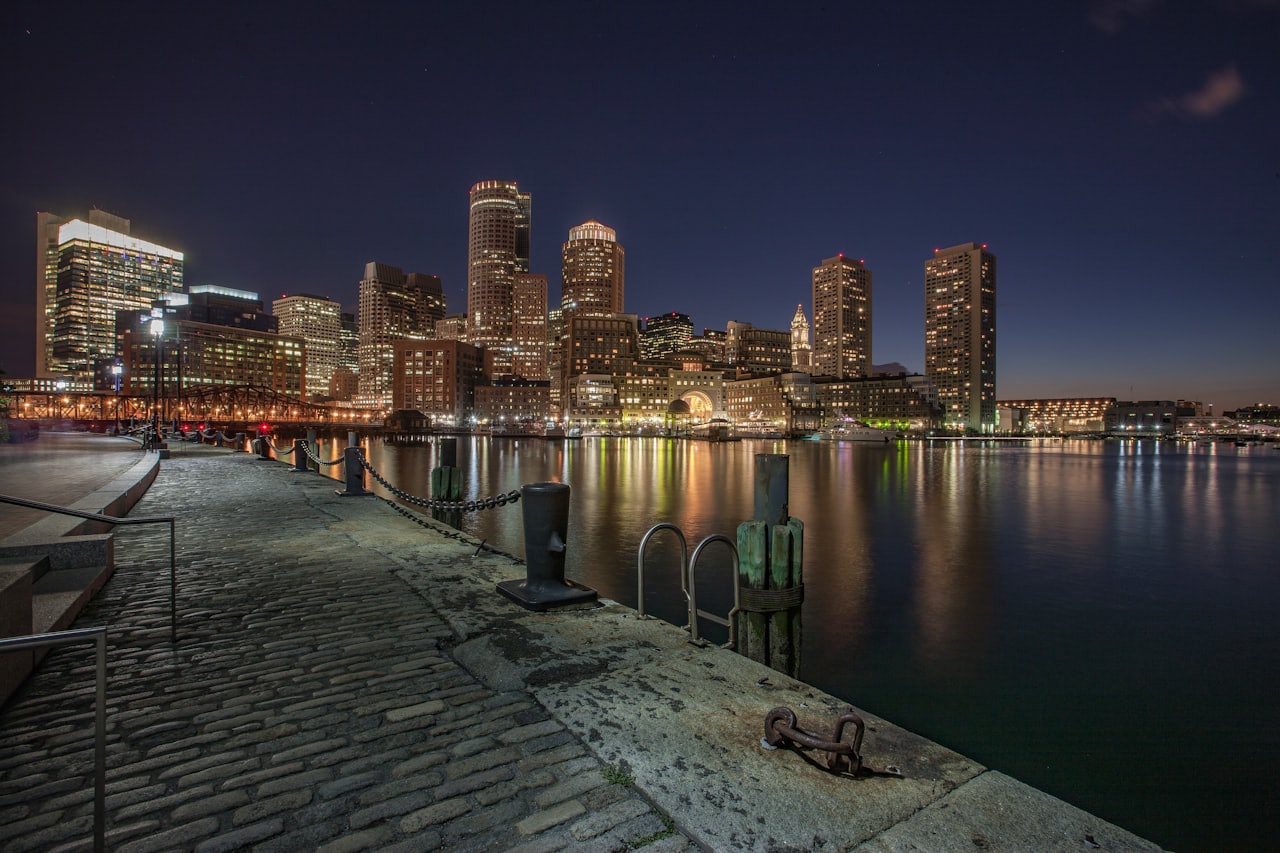
Boston Tea Party Ships & Museum
Year-round
An immersive, performance-led museum whose restored ships lie in the water near the original site, with visitors joining a re-enactment of throwing the tea chests overboard. Highly interactive, it is one of the most engaging paid experiences for groups.
Guide’s notes
Beyond the re-enactment, the real background matters: the protest targeted the monopoly created by the Tea Act and the principle of “no taxation without representation”, not simply anger at high taxes — the Act in fact made tea cheaper. Make that counter-intuitive point clear and guests remember it for a long time.
Photo spot: The deck of the restored ship; the moment the tea chest is thrown; the ship framed against the modern skyline.
Lexington & Concord / Minute Man National Historical Park
Apr–Oct
The site of the “shot heard round the world” on 19 April 1775. Lexington Green, the North Bridge in Concord, the Minute Man statues and the Battle Road trail form a complete battlefield narrative.
Guide’s notes
Make clear why it happened here: the British came to seize the militia’s stores of arms, and the clash was not an accident but the flashpoint of a long armed standoff. Set the Minute Man statue at the North Bridge against Lexington Green and you have the turn from taking blows to striking back — a chain of cause and effect that joins directly to the Freedom Trail back in Boston.
Photo spot: The North Bridge and the Minute Man statue; the militiaman on Lexington Green; the wooded Battle Road trail.
Walden Pond State Reservation
May–Oct
Where Thoreau wrote Walden. On the shore stand a replica of his cabin and markers at the original site, with a loop trail around the pond of about an hour.
Guide’s notes
This is a place to reset expectations: the real Walden Pond is not far from the centre of Concord, and Thoreau often walked back into town — his “retreat” was never total isolation but a deliberate experiment in living. Setting the record straight does not disappoint guests; it makes the case for simple living more credible.
Photo spot: The water and the far woods; the replica cabin; the light through the trees along the trail.
Plymouth Rock
Apr–Nov
A block of granite carved with 1620, set beneath a Greek-style portico by the shore, marking the supposed landing place of the Mayflower settlers.
Guide’s notes
Expectations must be managed here: the rock is far smaller than guests imagine, and the claim that it is “the very stone” is not well supported by the record — the identification appears more than a century after the landing. The better framing is that its value lies not in authenticity but in how a nation creates a symbol of its own origins. Make that clear, and “is that all?” turns into genuine interest.
Photo spot: The rock seen from within the portico; the shore and the portico together.
Plimoth Patuxet Museums
Apr–Nov
A living-history museum. A seventeenth-century English village is staffed by first-person interpreters, while at the Wampanoag Homesite Native staff speaking in their own present-day voice tell their people’s history. The two narratives set side by side make it a model for museums nationwide.
Guide’s notes
A discipline of interpretation runs through the whole visit: in the seventeenth-century English village the staff are interpreters (role-players), while at the Native site they are historians speaking in their own identity, not in role — the two terms are never interchanged; traditional dress is called regalia and never “costume”; disparaging words such as “primitive” or “uncivilised” are not used, and where one might say a “primitive house” the proper term is traditional structures. On contested matters such as mortality from disease or the nature of alliances, the museum’s account and scholarly corrections are presented together, without one-sided assertion. This care and respect are the most valuable thing to carry away from the museum.
Photo spot: The thatched cottages of the seventeenth-century village; the Wampanoag Homesite (ask permission before photographing people); the fields of the grounds.
More in this region
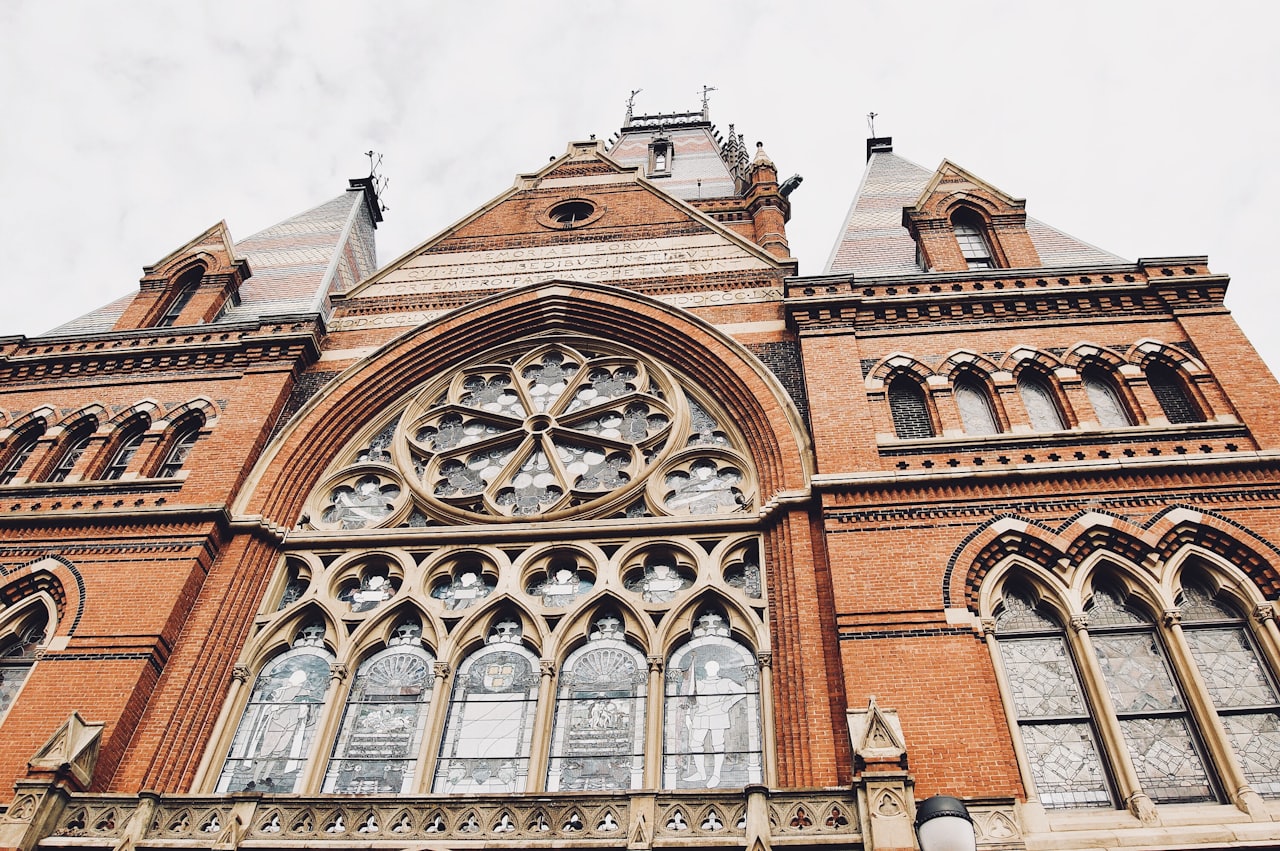
Boston Elite Campus Day
A full day built around Cambridge’s two most famous institutions and the ideas behind them. From Harvard Yard to MIT and closing at the Boston Public Library, the day turns campus sightseeing into an understanding of what these schools stand for. Throughout, the focus is on education itself — with no admissions advice of any kind.
View journeyBoston City Classic · 2 Days
Two days that read Boston as a city where old and new sit face to face. Day one walks the Freedom Trail from Boston Common to Charlestown; day two crosses to the great campuses and the city’s art and riverside. The difference is in the telling — a single thread from subjects to citizens, and museum stories any guest can follow.
View journey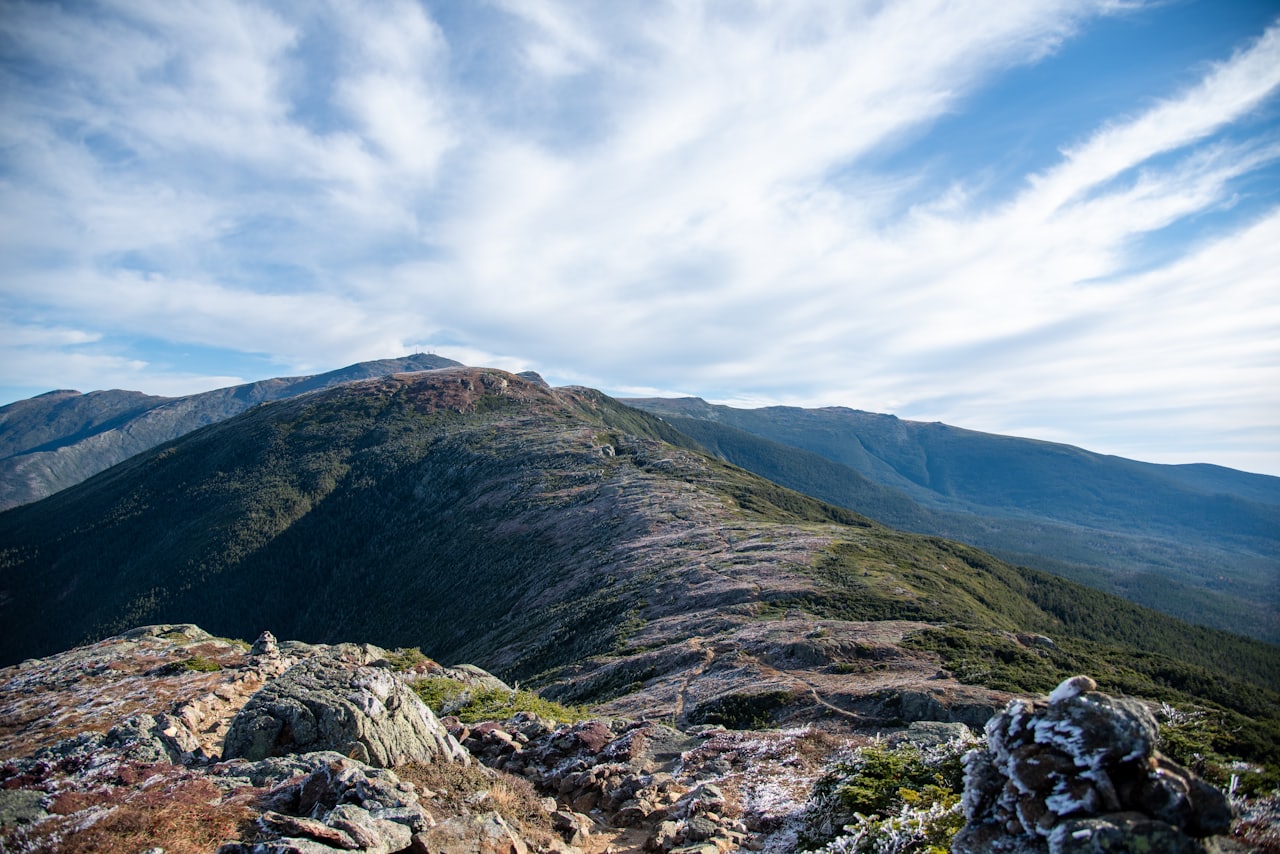
New England Fall Foliage · White Mountains · 4 Days
Four days chasing peak autumn colour through New Hampshire and Vermont. The White Mountains, the Mount Washington Cog Railway and the Kancamagus Highway lead to Vermont’s classic small towns and maple farms. Along the way, the science of the changing leaves turns a scenic drive into something you understand.
View journey